KATHAK : The Classical Dance Of Storytelling & Rhythm
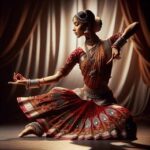
Kathak is one of India’s eight recognized classical dance forms, known for its intricate footwork, expressive storytelling and rhythmic complexity. Originating in North India, Kathak evolved through centuries as both a narrative art form and a sophisticated stage tradition, reflecting cultural, religious, and historical influences.
Origins & Historical Development
The word Kathak is derived from katha, meaning “story.” Early Kathak performers, known as kathakars, travelled from village to village narrating stories from epics such as the Ramayana and the Mahabharata through gesture, movement, and music.
Over time, Kathak developed in two major cultural settings :
– Temple Traditions : Where it was closely linked to devotional storytelling.
– Mughal Courts : Where it absorbed elements of Persian aesthetics, refinement & musical structure.
This dual influence shaped Kathak into a form that balances devotion with technical precision.
Distinctive Features Of Kathak
Kathak is recognized for its emphasis on rhythm and narrative expression. Key elements include:
– Tatkar : Complex footwork performed with ankle bells (Ghungroos).
– Chakkars : Rapid, controlled spins that require balance & spatial awareness.
– Abhinaya : Expressive facial gestures used to convey emotion and narrative.
– Layakari : Playful interaction with rhythm & tempo.
Together, these elements allow dancers to shift seamlessly between abstract rhythmic patterns and expressive storytelling.
Gharanas Of Kathak
Kathak developed distinct stylistic schools known as gharanas, each shaped by regional and patronage influences. The three principal gharanas are:
– Lucknow Gharana : Known for grace, lyrical expression & refined abhinaya.
– Jaipur Gharana : Emphasizes powerful footwork, rhythm & dynamic movements.
– Banaras Gharana : Combines strong rhythmic elements with expressive storytelling.
These gharanas reflect Kathak’s adaptability while preserving its core structure.
Costume & Musical Accompaniment
Traditional Kathak costumes vary depending on style and region.
Female dancers often wear:
– Anarkali style dresses or Lehenga Choli.
– Dupattas that accentuate movement.
Male dancers may wear:
– Angrakhas or Kurtas with churidar.
Kathak is performed to Hindustani classical music, with instruments such as :
– Tabla.
– Sarangi.
– Harmonium.
The dancer’s footwork interacts closely with percussion, creating a dialogue between movement and sound.
Kathak In Modern Context
Today, Kathak continues to evolve as a performance art. Contemporary practitioners explore new themes and narratives while maintaining classical technique. Kathak is taught globally and remains a prominent part of India’s cultural and academic institutions.
Despite modern interpretations, the form retains its identity as a dance rooted in storytelling, rhythm and disciplined training.
Cultural Significance
Kathak represents more than dance, it is a record of cultural exchange, historical transformation and artistic continuity. Its journey from oral storytelling traditions to classical performance stages highlights the adaptability of Indian art forms across time.
Conclusion
Kathak stands as a classical dance form that bridges devotion, narrative and rhythmic mastery. Through precise footwork, expressive gestures and musical interaction, it continues to preserve stories and cultural memory, making it an enduring element of India’s artistic heritage.

0 Comments